
Emergency Plumbing in San Antonio, TX — Request a Connection
Request a connection with an independent local plumbing provider in the San Antonio area.
Emergency Emergency Plumbing in San Antonio, TX connects homeowners with verified, licensed independent plumbing providers. Available 24/7 with 45-minute dispatch targets and upfront pricing.
PlumbRoute is a referral service, not a plumbing contractor. Coverage varies by availability.
Why this is common in San Antonio
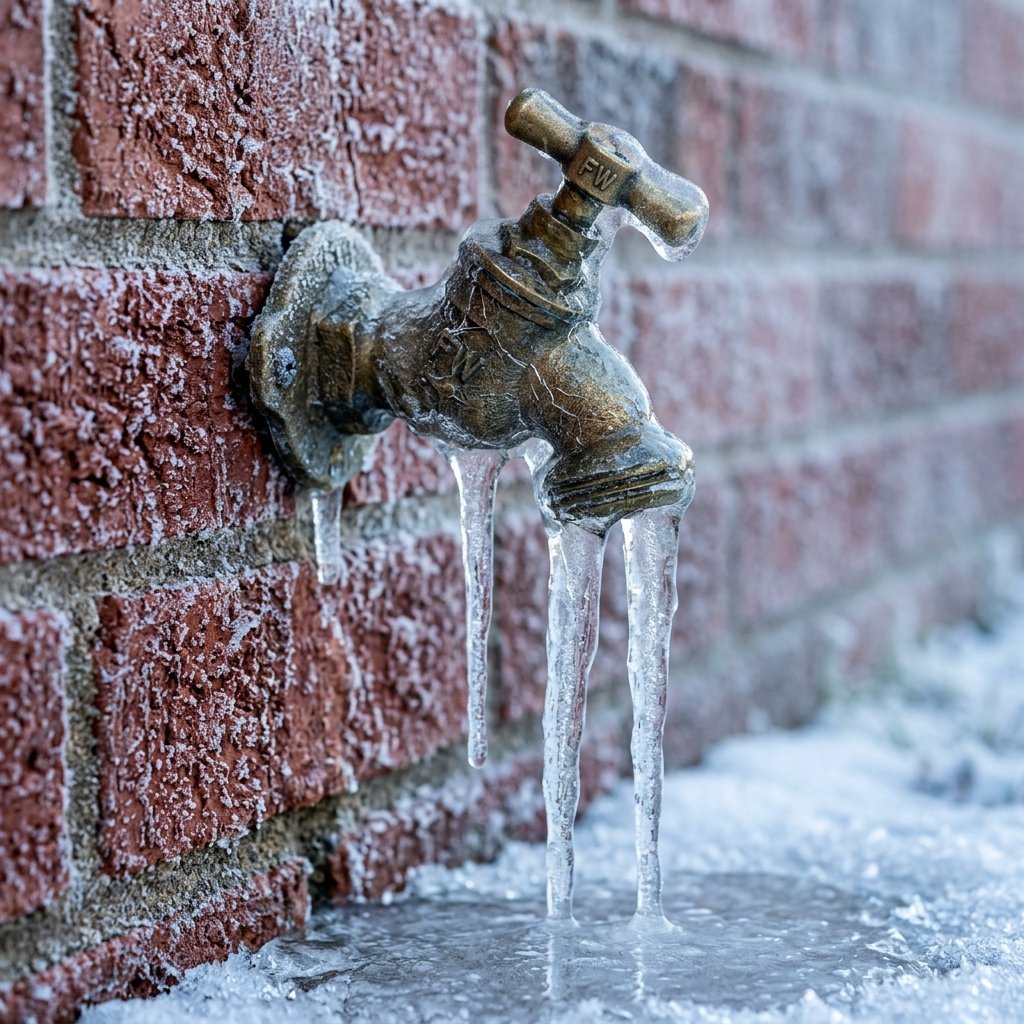
Texas has experienced notable statewide winter freeze events, including a multi-day cold snap in February 2021 that NOAA's National Centers for Environmental Information described as the coldest winter storm to hit the state since 1989, with pipes bursting and boil-water advisories issued in numerous counties as temperatures stayed below freezing for several consecutive days.
San Antonio's winters are typically mild, but the area can still see periods of freezing weather in a given year, and homes here are not always built with the same cold-weather protections common in colder climates. Combined with long, hot summers that put steady demand on water heaters and other plumbing systems, these weather swings can contribute to the kinds of sudden issues that come up as plumbing emergencies.
San Antonio's emergency-plumbing risk has real event history behind it, not just theory: during the February 2021 winter storm, SAWS held a system-wide boil water notice for six days after 100-plus hours of sub-freezing temperatures pushed distribution pressure below the 20-psi threshold state rules require, and SAWS attributed the pressure loss largely to pipe bursts inside homes and businesses rather than utility main breaks.
Local providers reported being overwhelmed for days, with pipes run through attics, garages, and exterior walls -- never designed for sustained hard freezes -- accounting for much of the damage. A smaller repeat during a January 2024 arctic blast, with far fewer home calls, suggests pipe location and insulation, not just housing age, may drive which homes face sudden freeze failure.
What San Antonio homeowners should know
San Antonio homes face a specific, documented freeze risk rather than a generic one.
More detail
San Antonio homes face a specific, documented freeze risk rather than a generic one. During the February 2021 winter storm, San Antonio Water System (SAWS) maintained a system-wide boil water notice for six days (Feb 17-23) after more than 100 hours of sub-freezing temperatures dropped distribution pressure below the 20 psi threshold that triggers a state-mandated notice.
SAWS attributed this largely to pipe bursts inside homes and businesses, not utility main failures -- a distinction that matters because SAWS maintains roughly 13,000 miles of water and sewer main, while pipes beyond the customer's meter remain the homeowner's responsibility. Local plumbing providers reported multi-day wait times as call volume spiked, with damage concentrated in pipes routed through attics, garages, and exterior walls -- locations exposed to cold in a way interior plumbing typically isn't.
A smaller-scale arctic blast in January 2024 produced far fewer home repair calls system-wide, suggesting that insulating exposed pipes and knowing the location of the home's main shutoff valve can meaningfully reduce risk before the next hard freeze. In a true plumbing emergency, a licensed local plumber can assess exposed or damaged lines and advise on immediate steps; recommended repairs and any pricing vary by provider and by what's found on-site.
Equipment Standards & Failure Forensics in San Antonio
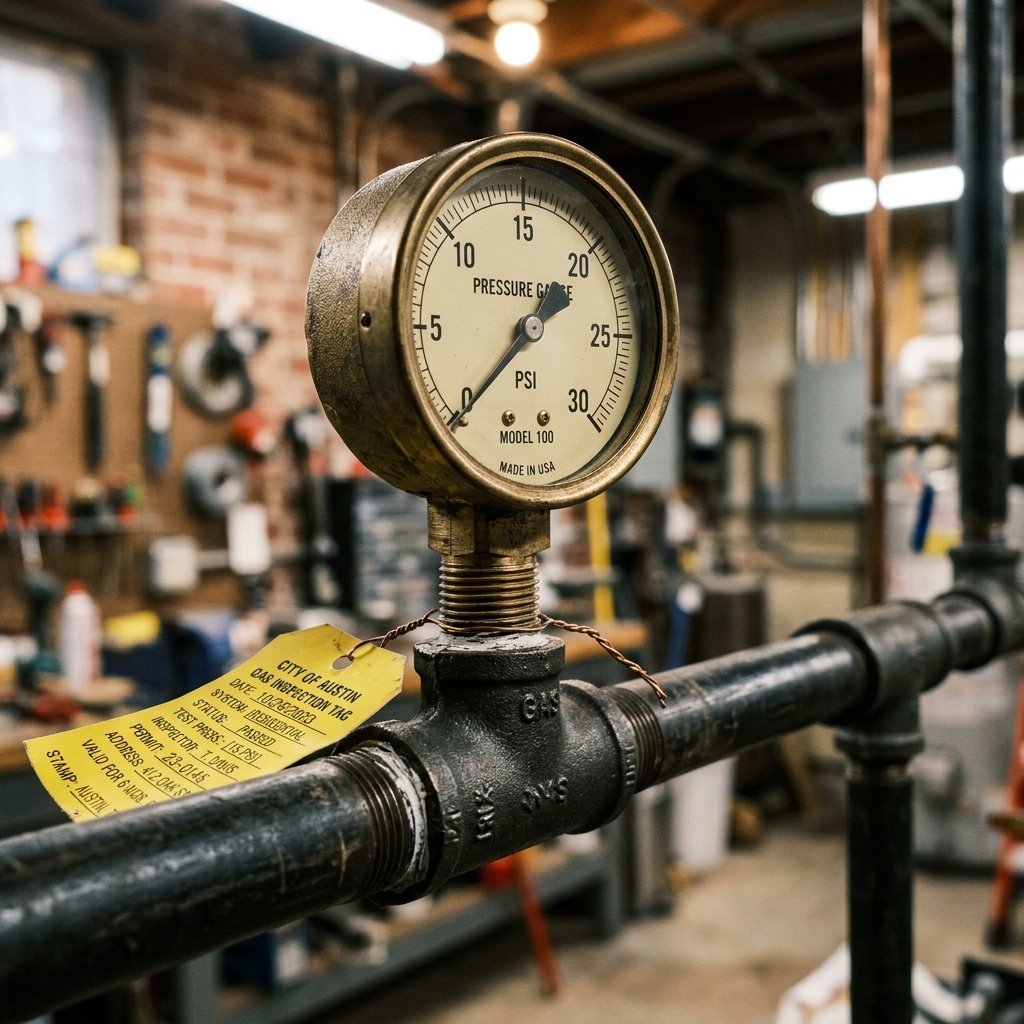
High-resolution diagnostic photography and technical field diagnostics documented across Southwestern residential service calls, illustrating equipment tolerances and local failure modes.
Estimate Repair Costs in San Antonio
PlumbRoute is a referral service, not a plumbing contractor.
What affects the cost in San Antonio
Emergency plumbing costs in San Antonio vary widely by issue and time of day. A standard emergency service call and diagnosis typically runs $150–$350, with after-hours or weekend dispatch commonly carrying an additional $75–$200 premium. Straightforward fixes like a shutoff-valve replacement or a single burst-pipe section repair often fall in the $300–$900 range, while more extensive damage — multiple burst sections, a failed main line, or water-damage mitigation — can run $1,500–$4,000 or more.
Your responding provider confirms exact pricing once the issue is diagnosed on-site.
Service area
PlumbRoute is arranging provider coverage across the greater San Antonio area, including Alamo Heights, Stone Oak, King William, Monte Vista, the Helotes border area, and the Medical Center district, with coverage extending to surrounding communities as well. Specific neighborhood or ZIP-level availability is confirmed when you request a connection, since it depends on the responding provider's current capacity.
Frequently asked questions
Need emergency plumbing in San Antonio?
Request a connection with an independent local provider.
PlumbRoute is a referral service, not a plumbing contractor.
Request an Estimate
Tell us about your project so a local provider can follow up with pricing.