
Emergency Plumbing in Austin, TX — Request a Connection
Request a connection with an independent local plumbing provider in the Austin area.
Emergency Emergency Plumbing in Austin, TX connects homeowners with verified, licensed independent plumbing providers. Available 24/7 with 45-minute dispatch targets and upfront pricing.
PlumbRoute is a referral service, not a plumbing contractor. Coverage varies by availability.
Why this is common in Austin
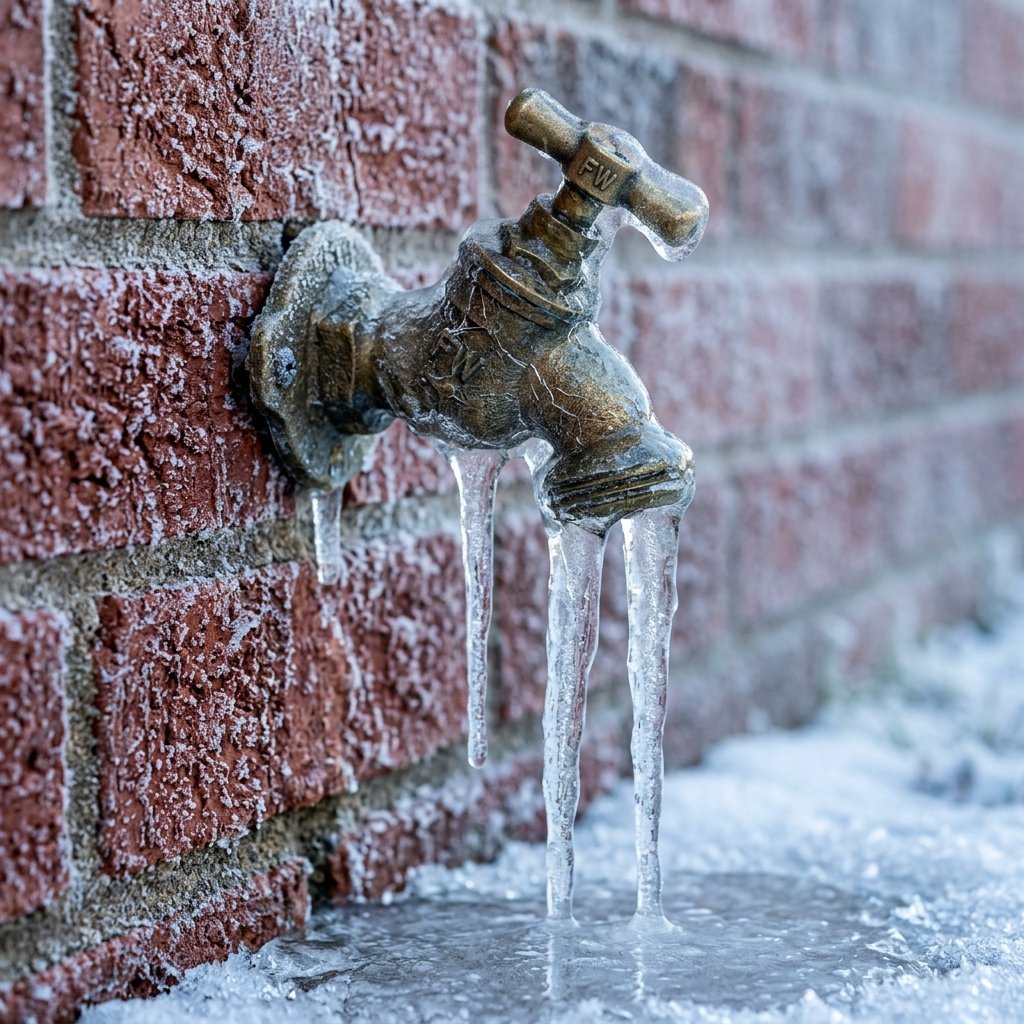
Central Texas isn't accustomed to sustained cold, so when winter storms do arrive they can be disproportionately disruptive to local plumbing. NOAA's National Centers for Environmental Information documented that the February 2021 freeze brought six to nine consecutive days of below-freezing temperatures to the Austin area — a record for the longest freezing streak in the state's recorded history — which led to widespread burst pipes and boil-water advisories across Texas.
While a freeze event of that scale is uncommon, the broader pattern of occasional hard freezes following long mild stretches is a recurring emergency-plumbing risk factor in the Austin area. Long, hot summer stretches can also place their own strain on plumbing systems and outdoor fixtures. Austin's emergency-plumbing risk isn't only freeze exposure in the abstract -- the city has its own documented failure point.
Austin Water's own after-action reporting shows the Ullrich Water Treatment Plant, the largest of the utility's three treatment facilities, lost power during the February 2021 storm as demand spiked from dripping faucets and freeze-broken pipes citywide; reservoir storage fell below the required minimum, and the city issued a citywide boil-water notice running from February 17 to February 23, 2021, while crews repaired hundreds of water main breaks.
This wasn't a one-time event: a January 2024 arctic front brought Austin's Camp Mabry station to a record 16F, triggering only the third Wind Chill Advisory in local NWS history. Geology adds a second, more localized layer: soil surveys show Hill Country soils common on Austin's western, Edwards Plateau-limestone side sit as little as 5 to 20 inches above bedrock, a notably thinner soil cover than the deeper Blackland Prairie clay to the east.
What Austin homeowners should know
Austin's plumbing emergencies often trace back to a mix of citywide infrastructure strain and neighborhood-level ground conditions.
More detail
Austin's plumbing emergencies often trace back to a mix of citywide infrastructure strain and neighborhood-level ground conditions. The February 2021 winter storm is the clearest example: Austin Water's after-action review found that the Ullrich Water Treatment Plant, the utility's largest, lost power as system pressure dropped and demand spiked from dripping faucets and broken pipes across the freeze, depleting reservoir storage below the required minimum and triggering a citywide boil-water notice that ran nearly a week.
Crews repaired hundreds of water main breaks during and after the event. This is a recurring seasonal risk, not a single historical incident -- Central Texas saw another record-setting arctic freeze in January 2024, with Austin's official weather station recording lows near 16F. Underground conditions also vary across the city: homes on the western, Hill Country side often sit on shallow soil over limestone bedrock, documented as little as 5 to 20 inches deep in some soil types, while homes to the east typically sit on deeper expansive clay.
Both conditions can affect how buried pipe responds to sudden temperature or moisture swings. Before the next hard freeze, insulating exposed pipes and knowing the home's main shutoff location can help; a licensed local plumber can assess a specific home's exposure, and recommended service and any pricing varies by provider.
Equipment Standards & Failure Forensics in Austin
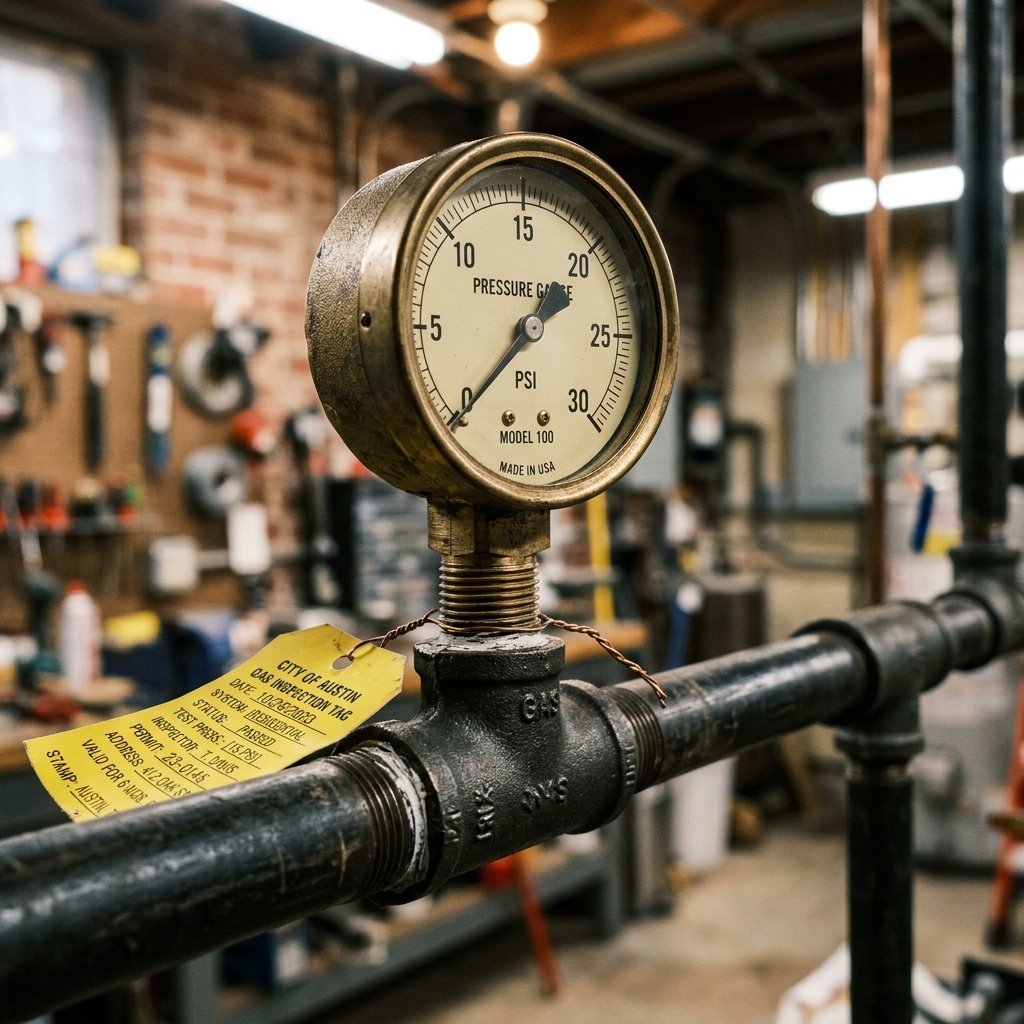
High-resolution diagnostic photography and technical field diagnostics documented across Southwestern residential service calls, illustrating equipment tolerances and local failure modes.
Estimate Repair Costs in Austin
PlumbRoute is a referral service, not a plumbing contractor.
What affects the cost in Austin
Emergency plumbing costs in Austin vary widely by issue and time of day. A standard emergency service call and diagnosis typically runs $150–$350, with after-hours or weekend dispatch commonly carrying an additional $75–$200 premium. Straightforward fixes like a shutoff-valve replacement or a single burst-pipe section repair often fall in the $300–$900 range, while more extensive damage — multiple burst sections, a failed main line, or water-damage mitigation — can run $1,500–$4,000 or more.
Your responding provider confirms exact pricing once the issue is diagnosed on-site.
Service area
PlumbRoute is arranging provider coverage across the greater Austin area, including South Congress (SoCo), Hyde Park, Mueller, Circle C Ranch, Tarrytown, Barton Hills, and Zilker, with coverage extending to surrounding communities as well. Specific neighborhood or ZIP-level availability is confirmed when you request a connection, since it depends on the responding provider's current capacity.
Frequently asked questions
Need emergency plumbing in Austin?
Request a connection with an independent local provider.
PlumbRoute is a referral service, not a plumbing contractor.
Request an Estimate
Tell us about your project so a local provider can follow up with pricing.