What Causes a Pipe to Burst?
Freezing Temperatures
Water expands as it freezes, and that expansion puts pressure on the inside of a pipe. In cold weather, pipes running through unheated spaces — like exterior walls, attics, basements, or crawl spaces — are most at risk.
Aging or Corroded Pipes
Pipes weaken over time, particularly older galvanized steel or certain older copper installations. As material corrodes or thins, it becomes more likely to fail under normal water pressure.
High Water Pressure
Consistently high water pressure puts ongoing strain on pipes and fittings. Over time, this added stress can contribute to a failure at a weak point in the system, such as a joint or fitting.
Ground Shifting or Physical Damage
For underground or slab-run pipes, shifting soil, nearby construction, or growing tree roots can stress a pipe and, over time, contribute to a failure.
Warning Signs Before a Full Burst
A full burst is sometimes preceded by smaller signs: discolored water, banging or knocking sounds in the pipes, a noticeable drop in water pressure, or a small, persistent drip. Catching these early can sometimes mean the difference between a routine repair and an emergency.
What to Do If a Pipe Bursts
Shut off your main water supply valve immediately to limit water damage, then request a connection with a local provider as soon as possible. Knowing where your main shutoff valve is located before an emergency happens can save valuable time.
Sub-Freezing Hose Bib & Valve Fracture Diagnostic
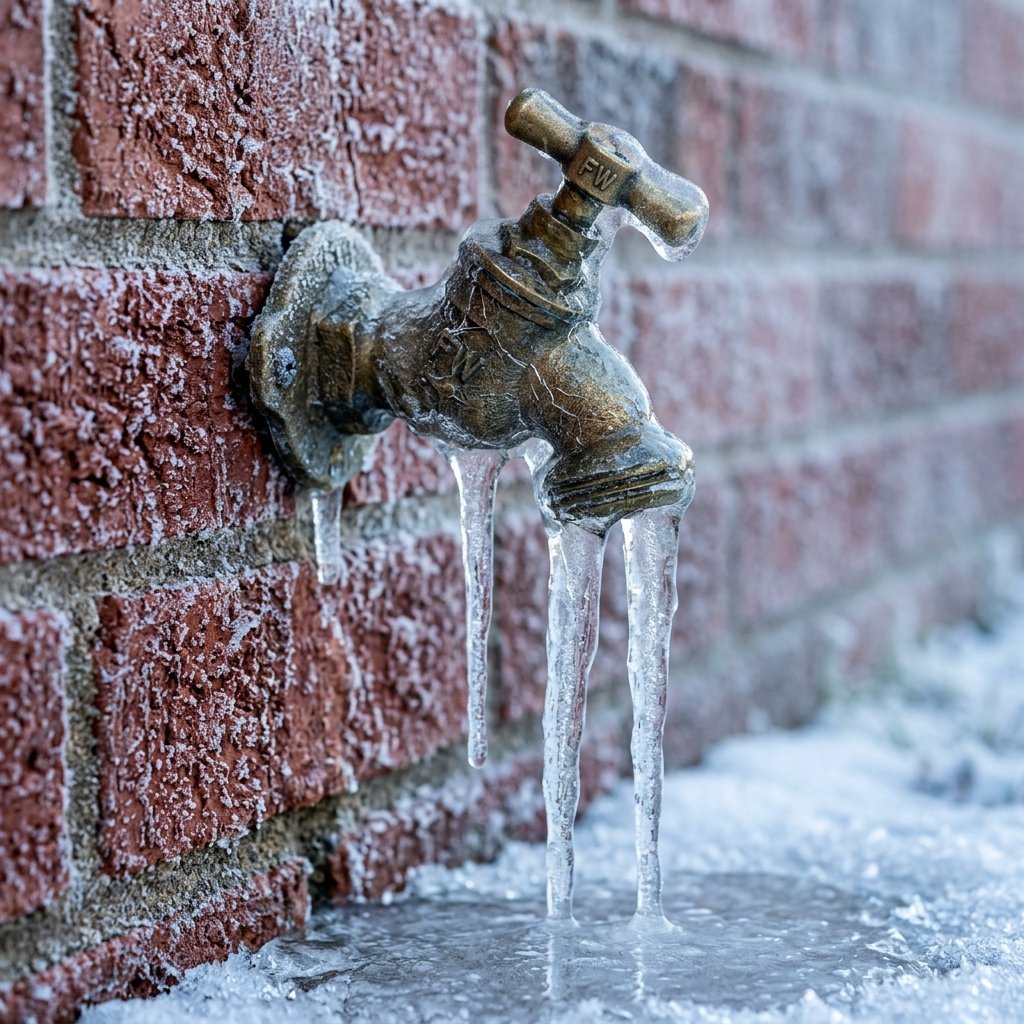
Macro failure analysis displaying crystalline ice expansion fracture through 3/4" heavy-duty brass ball valve body following sustained 18°F arctic front exposure.
Still dealing with this issue? You can request a connection with an independent local plumbing provider — there is no fee to submit a request.
Request a ConnectionFrequently asked questions
Looking for emergency plumbing in your area?
PlumbRoute is a referral service -- request a connection with an independent local plumber serving one of these areas:
24/7 Verified Dispatch · Phoenix AreaEmergency Plumbing Dispatch in Scottsdale, AZ
24/7 Verified Dispatch · Scottsdale AreaEmergency Plumbing Dispatch in Dallas, TX
24/7 Verified Dispatch · Dallas AreaEmergency Plumbing Dispatch in Fort Worth, TX
24/7 Verified Dispatch · Fort Worth AreaEmergency Plumbing Dispatch in Plano, TX
24/7 Verified Dispatch · Plano AreaEmergency Plumbing Dispatch in Frisco, TX
24/7 Verified Dispatch · Frisco AreaEmergency Plumbing Dispatch in Houston, TX
24/7 Verified Dispatch · Houston AreaEmergency Plumbing Dispatch in Austin, TX
24/7 Verified Dispatch · Austin AreaEmergency Plumbing Dispatch in San Antonio, TX
24/7 Verified Dispatch · San Antonio AreaEmergency Plumbing Dispatch in San Diego, CA
24/7 Verified Dispatch · San Diego Area
Need help with this?
Request a connection with an independent local plumbing provider.
PlumbRoute is a referral service, not a plumbing contractor.
Request an Estimate
Tell us about your project so a local provider can follow up with pricing.