
Leak Detection & Repair in Austin, TX — Request a Connection
Request a connection with an independent local plumbing provider in the Austin area.
Slab leak detection in Austin, TX averages $350–$750. Expansive black clay soil movement across Central Texas shifts concrete foundations, causing severe under-slab copper pipe ruptures and elevated utility bills. Emergency overhead PEX rerouting runs $2,200–$4,500, with local independent licensed plumbers providing rapid same-day diagnostic service.
PlumbRoute is a referral service, not a plumbing contractor. Coverage varies by availability.
Why this is common in Austin
Much of Austin sits on expansive clay soils tied to the Blackland Prairie geology to the east, which USGS mapping describes as calcareous and prone to swelling and shrinking as moisture levels change. That ground movement can place stress on underground pipes and slab foundations and is a commonly cited factor behind hidden leaks in the Central Texas area.
West Austin's thinner soils over fractured Edwards Plateau limestone present a different set of ground-movement considerations. Because the city's housing stock spans many decades of construction, pipe materials and installation practices — and therefore leak risk — can differ considerably by neighborhood and home age.
Austin's leak-repair angle now has genuine two-sided geology support: Blackland Prairie clay (east) drives soil-expansion stress on buried pipes and slabs, while Edwards Plateau limestone (west/Hill Country) introduces a different underground risk — natural fractures and dissolution voids that can cause uneven settling, documented in a Barton Springs-Edwards Aquifer Conservation District case study of a 2012 sinkhole in southwest Austin.
A March 2025 City of Austin Auditor's Office report adds a second, non-geologic local fact worth featuring: citywide, service-line leaks occur more often than main-line breaks, and Austin Water's own investigation attributes much of that to aging polybutylene pipe installed from the late 1960s through the mid-1980s — a genuinely local, checkable reason leak repair matters for Austin homeowners specifically.
What Austin homeowners should know
Austin's underground conditions vary sharply by side of town, and a 2025 city audit found a specific, checkable local driver of leaks.
More detail
Austin's underground conditions vary sharply by side of town, which can affect how and where leaks develop. In the eastern parts of the metro, homes often sit on Blackland Prairie clay that expands and contracts with moisture changes, a movement that can stress buried pipe joints and slab foundations over time. Toward the west and Hill Country side, homes are more likely to sit on Edwards Plateau limestone, where natural fractures and dissolution features in the rock can contribute to uneven ground settling — a different mechanism, but one that can also affect buried lines.
Separately, a City of Austin audit found that service-line leaks (the line between the meter and the house) occur more often than main-line breaks citywide, with aging polybutylene pipe — common in service lines installed from the late 1960s through the mid-1980s — identified as a leading cause. Homeowners with an older home, or one on either soil type, may want to ask a licensed plumber about the material and condition of their service line as part of any leak inspection.
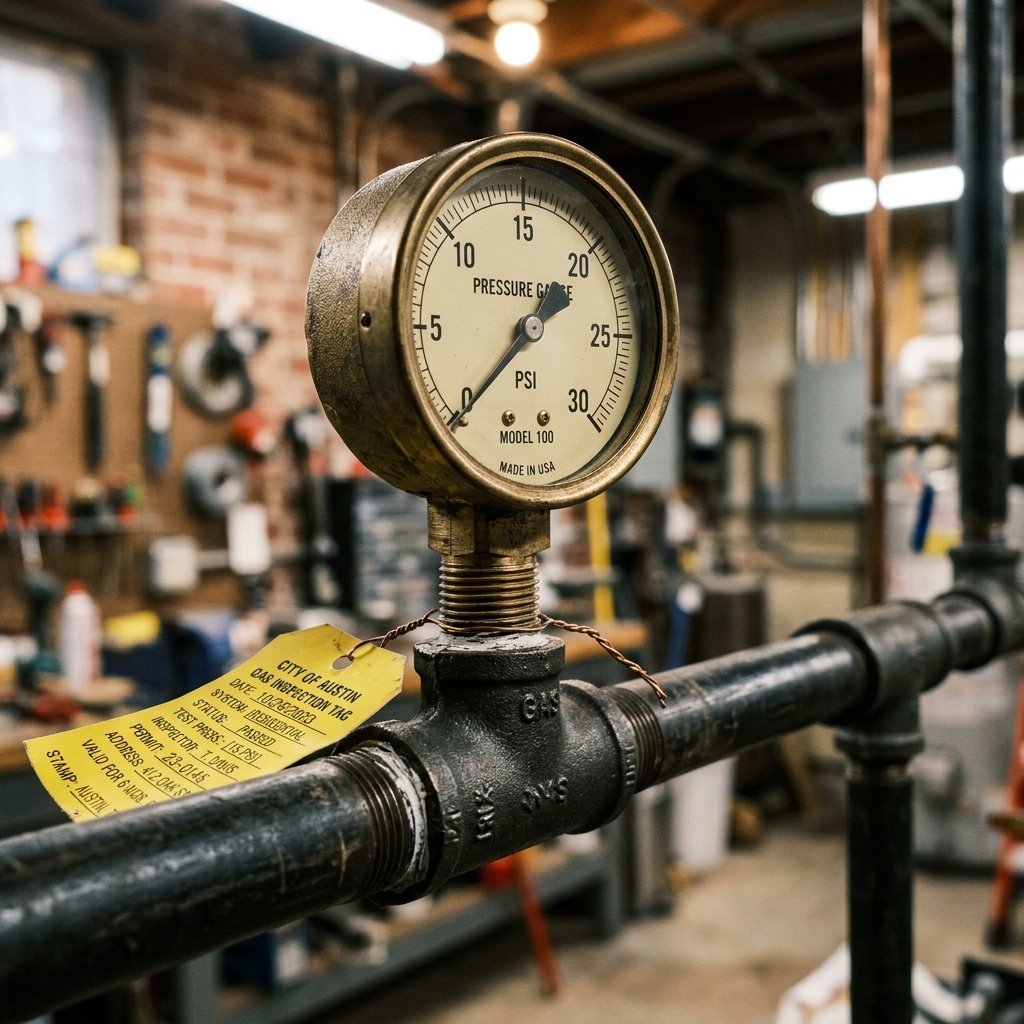
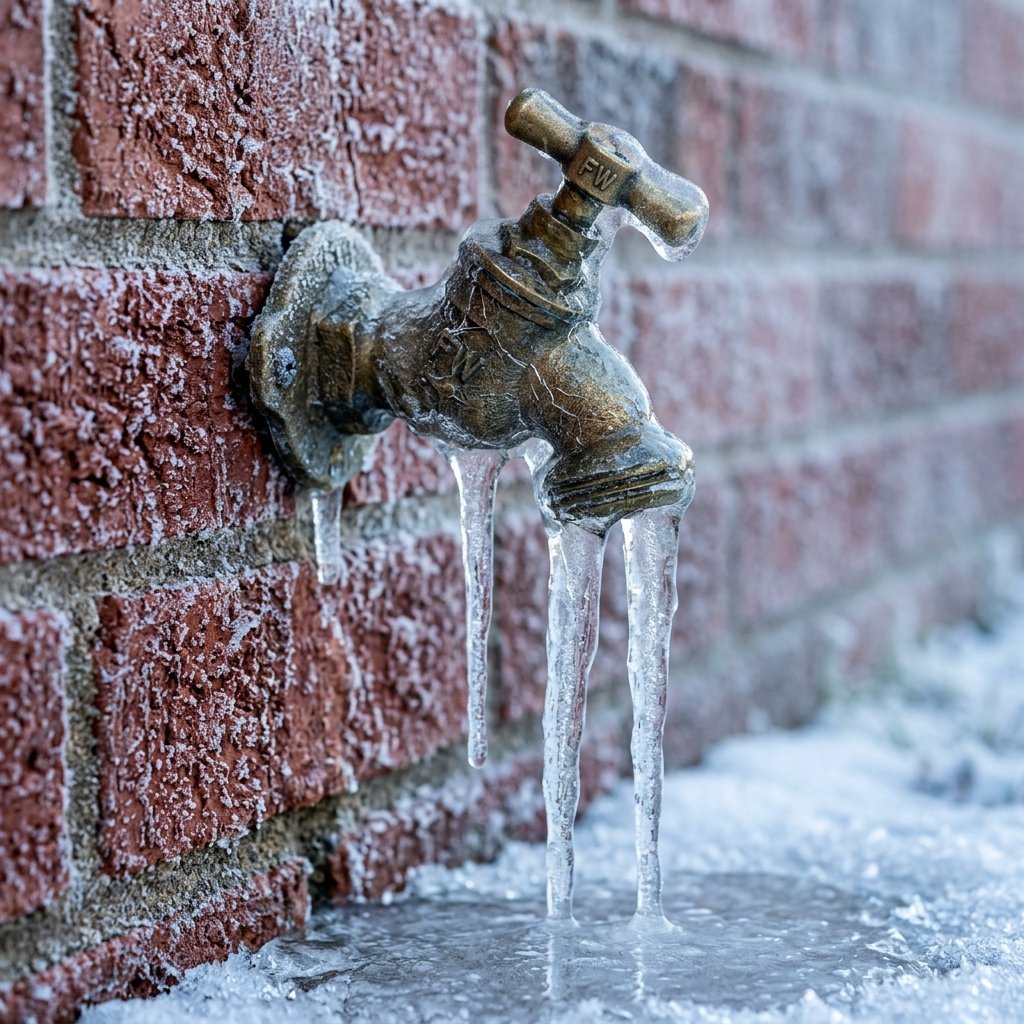
Equipment Standards & Failure Forensics in Austin
High-resolution diagnostic photography and technical field diagnostics documented across Southwestern residential service calls, illustrating equipment tolerances and local failure modes.
Estimate Repair Costs in Austin
PlumbRoute is a referral service, not a plumbing contractor.
What affects the cost in Austin
Leak detection and repair costs in Austin depend on the leak's location and severity. Non-invasive detection — acoustic or thermal-imaging equipment used to pinpoint a hidden leak without cutting into walls or slabs — typically runs $350–$650. A direct spot repair, opening a small, targeted section to fix the leak, generally costs $1,800–$3,500.
For leaks in extensively damaged or hard-to-access lines, rerouting new piping through walls or ceilings instead of repairing the original line commonly runs $2,500–$5,500. Your responding provider confirms exact pricing after locating and assessing the leak.
Service area
PlumbRoute is arranging provider coverage across the greater Austin area, including South Congress (SoCo), Hyde Park, Mueller, Circle C Ranch, Tarrytown, Barton Hills, and Zilker, with coverage extending to surrounding communities as well. Specific neighborhood or ZIP-level availability is confirmed when you request a connection, since it depends on the responding provider's current capacity.
Frequently asked questions
Need leak detection & repair in Austin?
Request a connection with an independent local provider.
PlumbRoute is a referral service, not a plumbing contractor.
Request an Estimate
Tell us about your project so a local provider can follow up with pricing.