
Leak Detection & Repair in Dallas, TX — Request a Connection
Request a connection with an independent local plumbing provider in the Dallas area.
Emergency Leak Detection & Repair in Dallas, TX connects homeowners with verified, licensed independent plumbing providers. Available 24/7 with 45-minute dispatch targets and upfront pricing.
PlumbRoute is a referral service, not a plumbing contractor. Coverage varies by availability.
Why this is common in Dallas
Much of the Dallas area lies within or near the Blackland Prairie region of North Texas, known for clay-rich, expansive soils that swell when wet and shrink when dry (USDA Natural Resources Conservation Service). This kind of soil movement is well documented as a source of stress on home foundations and the underground or slab-level pipes running through them, which can contribute to hidden leaks over time.
Housing stock in the Dallas area also spans many decades of construction, and older plumbing materials or aging fixtures can become more prone to slow, hard-to-detect leaks. Because these leaks often develop gradually and out of sight, they can go unnoticed until they cause more visible damage. Not every freeze-related plumbing problem in Dallas shows up as a dramatic burst.
When a frozen supply line thaws, home-inspection references note that pressure can escape through hairline cracks that formed during the freeze rather than through a single catastrophic rupture, meaning a slow, easy-to-miss leak can appear well after the cold snap has passed, not during it. Housing age adds a second, non-freeze pathway to leaks: galvanized steel pipe, standard in home construction until roughly the mid-20th century, corrodes internally through a well-documented process, zinc coating loss followed by iron rust buildup, that narrows the pipe and eventually perforates it with pinhole leaks, while polybutylene pipe, installed nationally from the late 1970s through the mid-1990s, can grow brittle with chlorine exposure over time and develop small leaks at fittings, both gradual failure modes distinct from a sudden burst, and both plausible in a city where roughly two-thirds of homes predate 1990.
What Dallas homeowners should know
Leak repair in Dallas often involves a different failure pattern than the dramatic burst pipes associated with hard freezes -- many leaks develop gradually.
More detail
Leak repair in Dallas often involves a different failure pattern than the dramatic burst pipes associated with hard freezes. When a frozen line thaws, home-inspection references describe water escaping through hairline cracks formed during the freeze -- a slower leak that can surface after the cold snap has passed rather than during it, making it easy to miss until water damage or a rising bill appears.
Separately, housing age introduces its own gradual-leak risk. Galvanized steel supply pipe, standard in home construction until roughly the mid-20th century, corrodes from the inside through a process examined in engineering failure-analysis research: the zinc coating wears away, the exposed steel rusts, and mineral buildup narrows the pipe until it perforates.
Polybutylene pipe, installed nationally from the late 1970s to the mid-1990s before a class-action settlement over its failure rate, can become brittle with prolonged chlorine exposure and develop small leaks at fittings or along the pipe itself. Roughly two-thirds of Dallas homes were built before 1990, so a meaningful share of local plumbing includes one of these materials.
Discolored water, reduced pressure, or an unexplained rise in a water bill are common early signs. A licensed local plumber can identify the pipe material and leak source; recommended repair and pricing varies by provider.
Equipment Standards & Failure Forensics in Dallas
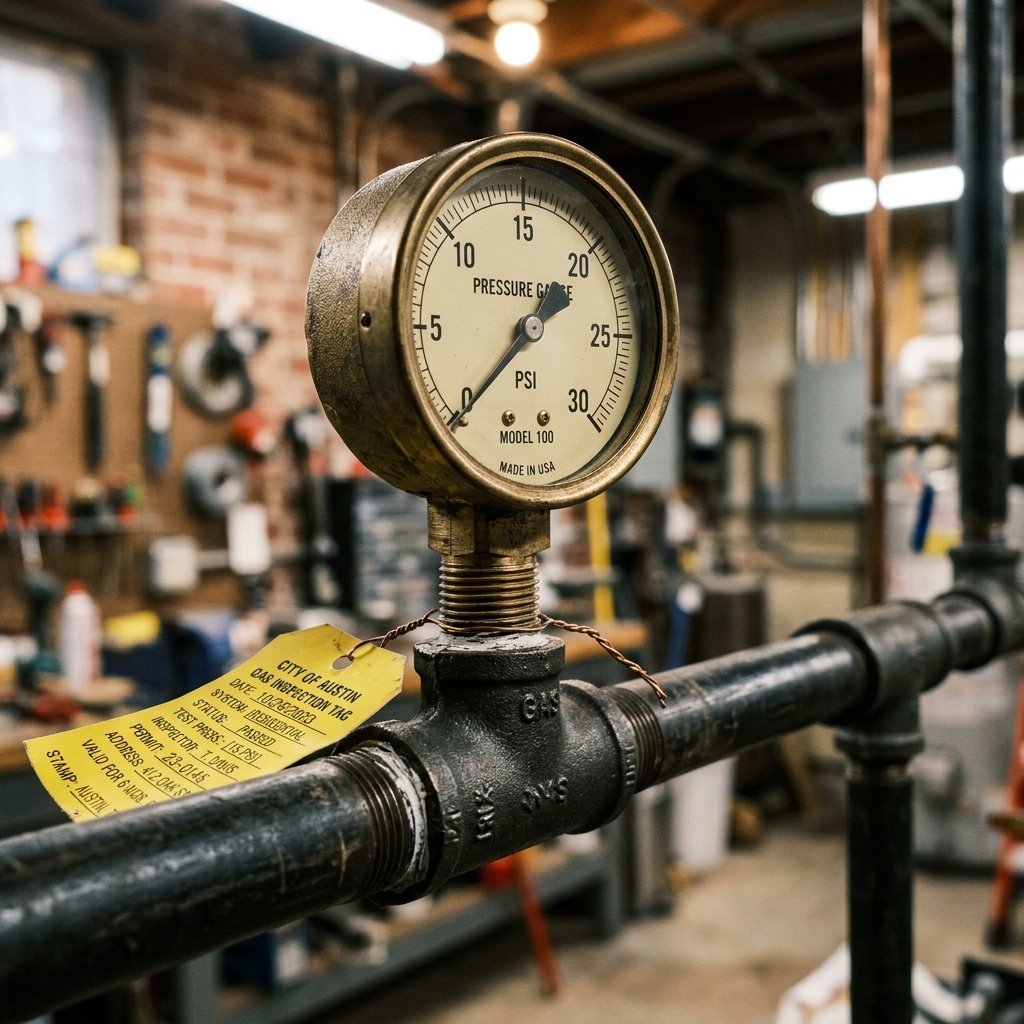
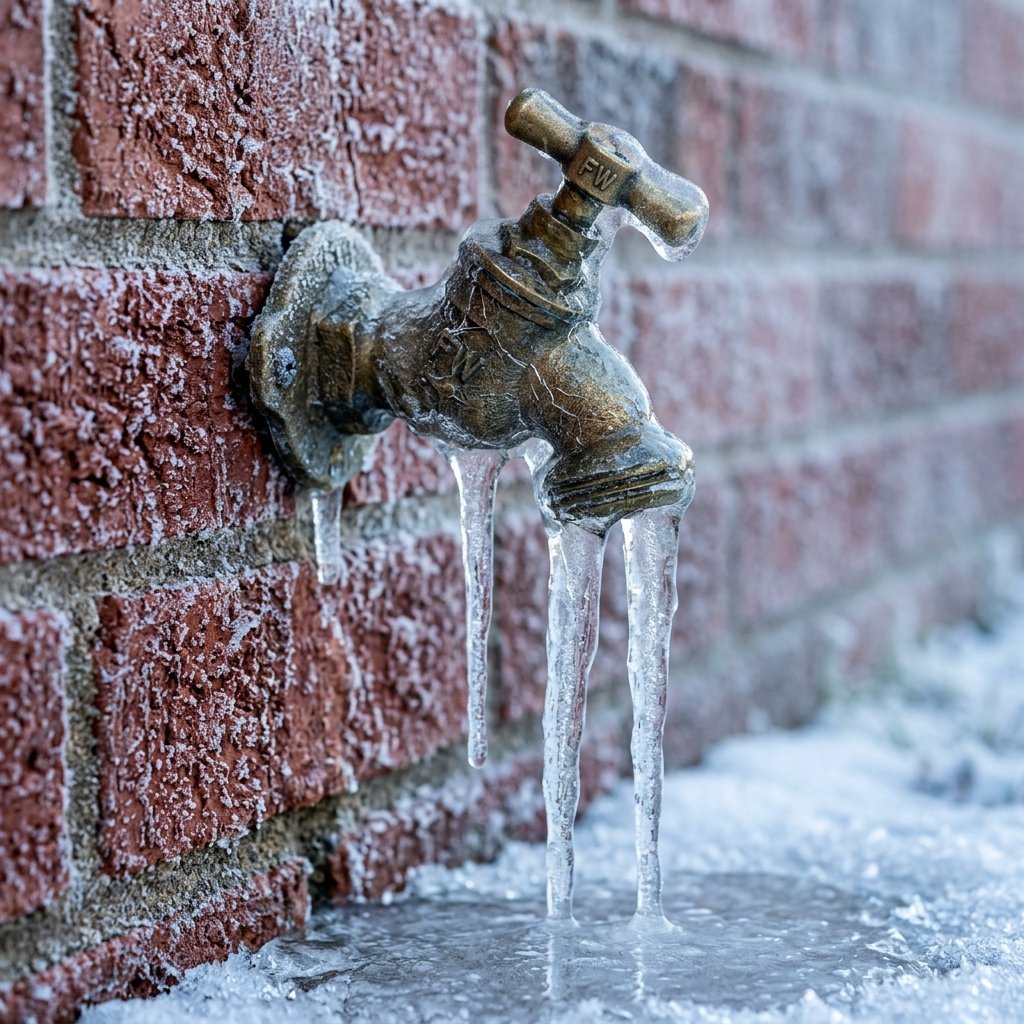
High-resolution diagnostic photography and technical field diagnostics documented across Southwestern residential service calls, illustrating equipment tolerances and local failure modes.
Estimate Repair Costs in Dallas
PlumbRoute is a referral service, not a plumbing contractor.
What affects the cost in Dallas
Leak detection and repair costs in Dallas depend on the leak's location and severity. Non-invasive detection — acoustic or thermal-imaging equipment used to pinpoint a hidden leak without cutting into walls or slabs — typically runs $350–$650. A direct spot repair, opening a small, targeted section to fix the leak, generally costs $1,800–$3,500.
For leaks in extensively damaged or hard-to-access lines, rerouting new piping through walls or ceilings instead of repairing the original line commonly runs $2,500–$5,500. Your responding provider confirms exact pricing after locating and assessing the leak.
Service area
PlumbRoute is arranging provider coverage across the greater Dallas area, including Lakewood, Lake Highlands, Preston Hollow, Oak Cliff, Bluffview, Bishop Arts, and Far North Dallas, with coverage extending to surrounding communities as well. Specific neighborhood or ZIP-level availability is confirmed when you request a connection, since it depends on the responding provider's current capacity.
Frequently asked questions
Need leak detection & repair in Dallas?
Request a connection with an independent local provider.
PlumbRoute is a referral service, not a plumbing contractor.
Request an Estimate
Tell us about your project so a local provider can follow up with pricing.