
Drain Cleaning in San Antonio, TX — Request a Connection
Request a connection with an independent local plumbing provider in the San Antonio area.
Emergency Drain Cleaning in San Antonio, TX connects homeowners with verified, licensed independent plumbing providers. Available 24/7 with 45-minute dispatch targets and upfront pricing.
PlumbRoute is a referral service, not a plumbing contractor. Coverage varies by availability.
Why this is common in San Antonio
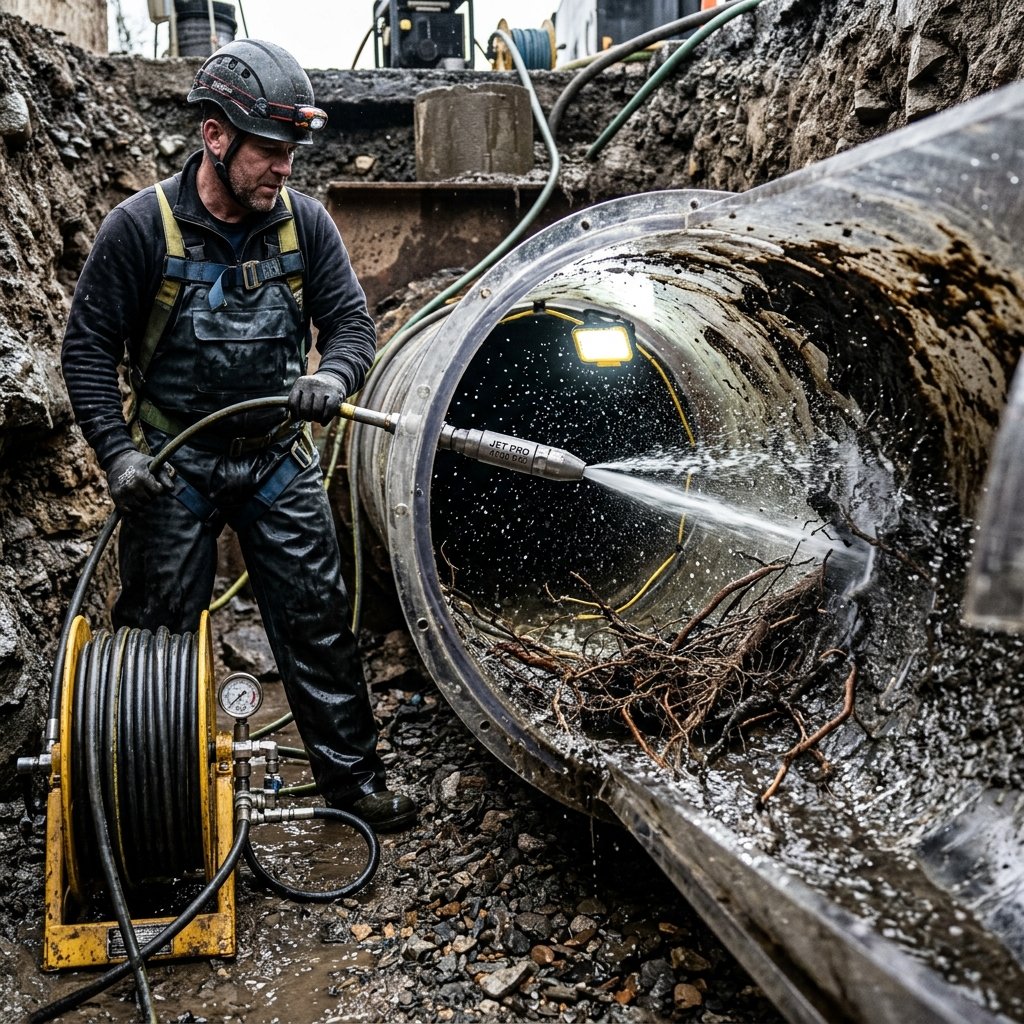
San Antonio's water supply draws heavily on the Edwards Aquifer and other regional groundwater, and the local water utility reports generally hard water in the area, which over time may contribute to mineral buildup inside pipes and slower drainage. In many of the city's older, established neighborhoods, mature trees are also a common feature, and tree roots are a widely recognized cause of drain and sewer line blockages as they seek out moisture through aging pipe joints.
Together, mineral buildup and root intrusion are common, well-understood contributors to slow or clogged drains in homes throughout the area. Beyond foundation movement, the same expansive clay soils documented across Bexar County are recognized in federal patent and engineering records as a cause of buried pipe joint separation from repeated wet-dry cycles — and once a joint opens, moisture-seeking roots from the large shade trees common to older San Antonio neighborhoods can work their way in.
With roughly six in ten area homes built before 1990, a meaningful share of local drain lines are the older pipe types that federal sewer research identifies as most susceptible to this kind of root intrusion.
What San Antonio homeowners should know
San Antonio drain problems often trace back to two local conditions compounding each other: expansive clay soils and an aging tree canopy.
More detail
San Antonio drain problems often trace back to two local conditions compounding each other, not one single cause. Roughly six in ten homes in the area were built before 1990, which matters because federal research on municipal sewer systems has found that tree roots account for more than half of reported sewer line blockages nationwide — concentrated almost entirely in older pipe with traditional joints, shallow runs, or small-diameter lines.
Extension research is clear that healthy roots don't usually crack sound pipe on their own; they follow moisture into joints that have already opened. That kind of joint separation is exactly what documented engineering records describe happening to buried pipe as the region's clay soils swell and shrink through wet-dry cycles.
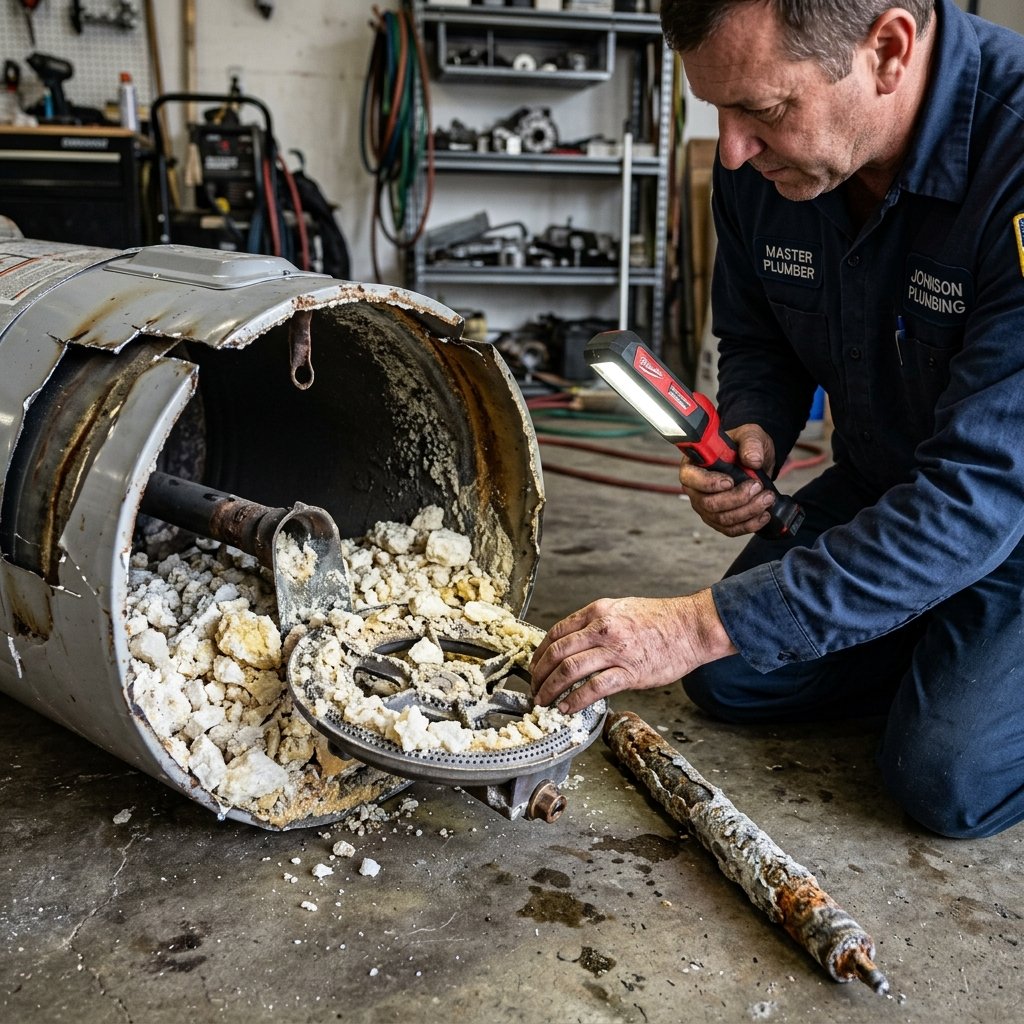
Locally hard water (SAWS reports roughly 15-20 grains per gallon) adds a third factor: the same mineral deposits known to build up inside water heaters and supply pipes can, over time, contribute residue inside drain lines too. None of this guarantees a problem — but it's a reasonable basis for periodic drain inspection, especially in older homes with mature trees nearby.
Equipment Standards & Failure Forensics in San Antonio
High-resolution diagnostic photography and technical field diagnostics documented across Southwestern residential service calls, illustrating equipment tolerances and local failure modes.
Estimate Repair Costs in San Antonio
PlumbRoute is a referral service, not a plumbing contractor.
What affects the cost in San Antonio
Drain cleaning in San Antonio typically runs $150–$350 for standard mechanical snaking of a single clogged line. For a chronic or fully blocked line — especially one affected by hard-water scale buildup or root intrusion — hydro jetting (high-pressure water clearing) is more effective and typically costs $450–$950, depending on line length and severity.
A camera inspection to confirm the blockage's exact cause and location commonly adds $100–$300 if not already included in the visit. Your responding provider confirms an exact quote after assessing the specific line.
Service area
PlumbRoute is arranging provider coverage across the greater San Antonio area, including Alamo Heights, Stone Oak, King William, Monte Vista, the Helotes border area, and the Medical Center district, with coverage extending to surrounding communities as well. Specific neighborhood or ZIP-level availability is confirmed when you request a connection, since it depends on the responding provider's current capacity.
Frequently asked questions
Need drain cleaning in San Antonio?
Request a connection with an independent local provider.
PlumbRoute is a referral service, not a plumbing contractor.
Request an Estimate
Tell us about your project so a local provider can follow up with pricing.