
How to Clean a Shower Drain
Why Shower Drains Clog So Often
Hair combined with soap scum is a very common cause. Hair catches on the drain cover or inside the pipe, and soap residue builds up around it, gradually narrowing the opening until water starts backing up.
What You Will Need
A pair of gloves, a flashlight, a drain stick or bent wire hanger for hair removal, and optionally a mixture of baking soda and vinegar for a natural follow-up clean. You likely already have most of this on hand.
Step-by-Step Cleaning
Remove the drain cover, then use the drain stick or hanger to pull out visible hair and debris, this alone resolves many clogs. Follow with baking soda down the drain, then white vinegar, let it sit for 15 to 20 minutes, and flush with hot water. Replace the cover once finished.
Preventing Future Clogs
A mesh drain cover designed to catch hair before it enters the pipe is the simplest way to cut down on how often this happens. Clearing it out regularly, rather than waiting for a full clog, keeps the maintenance quick.
When Cleaning Is Not Enough
If the drain is still slow after clearing visible debris, or multiple drains in the house are affected at once, the blockage may be further down the line than a drain stick can reach. That is a reasonable point to request a connection with a local provider rather than repeatedly treating the surface symptom.
4,000 PSI High-Velocity Hydro-Jetting Action
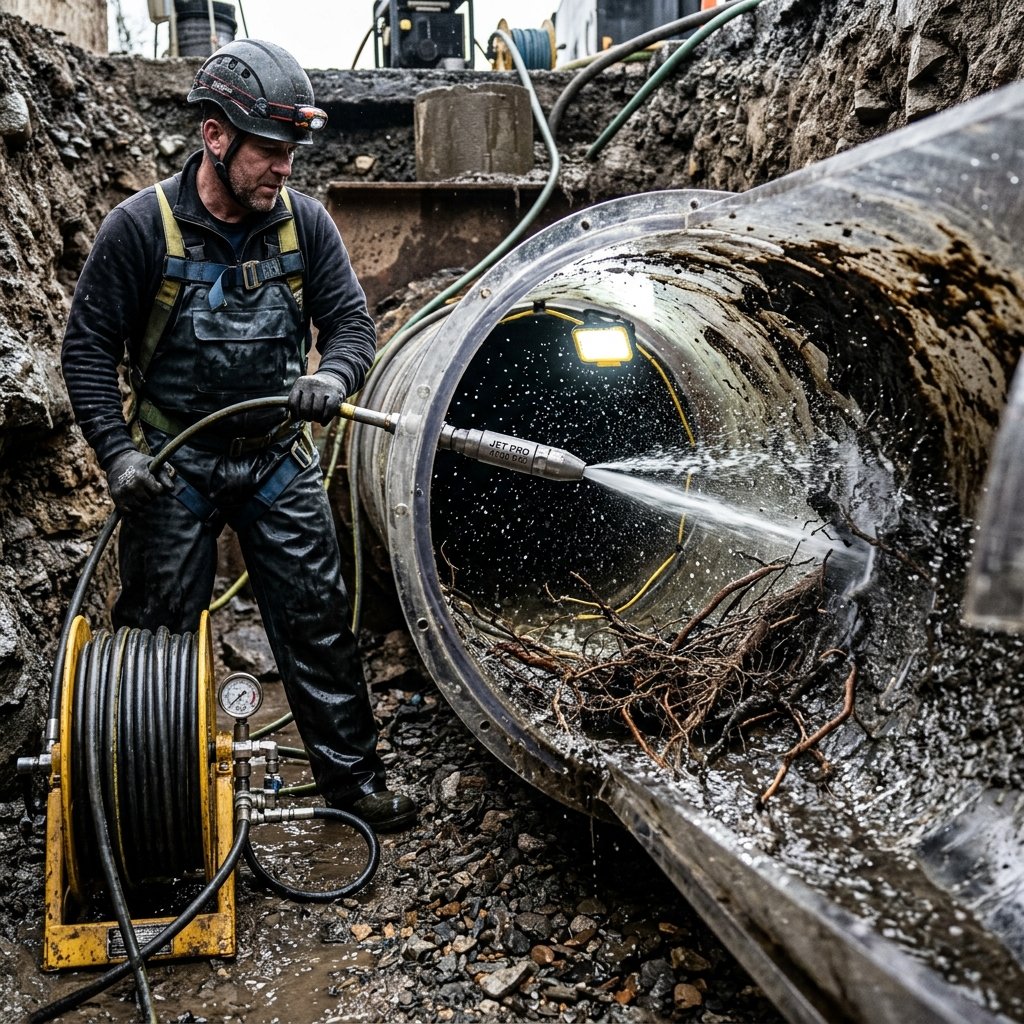
High-speed capture of stainless multi-directional forward penetrator nozzle obliterating stubborn tree root mass and calcified sludge inside transparent 4" sewer lateral.
Still dealing with this issue? You can request a connection with an independent local plumbing provider — there is no fee to submit a request.
Request a ConnectionFrequently asked questions
Looking for drain cleaning in your area?
PlumbRoute is a referral service -- request a connection with an independent local plumber serving one of these areas:
24/7 Verified Dispatch · Phoenix AreaDrain Cleaning & Clearing in Scottsdale, AZ
24/7 Verified Dispatch · Scottsdale AreaDrain Cleaning & Clearing in Dallas, TX
24/7 Verified Dispatch · Dallas AreaDrain Cleaning & Clearing in Fort Worth, TX
24/7 Verified Dispatch · Fort Worth AreaDrain Cleaning & Clearing in Plano, TX
24/7 Verified Dispatch · Plano AreaDrain Cleaning & Clearing in Frisco, TX
24/7 Verified Dispatch · Frisco AreaDrain Cleaning & Clearing in Houston, TX
24/7 Verified Dispatch · Houston AreaDrain Cleaning & Clearing in Austin, TX
24/7 Verified Dispatch · Austin AreaDrain Cleaning & Clearing in San Antonio, TX
24/7 Verified Dispatch · San Antonio AreaDrain Cleaning & Clearing in San Diego, CA
24/7 Verified Dispatch · San Diego Area
Need help with this?
Request a connection with an independent local plumbing provider.
PlumbRoute is a referral service, not a plumbing contractor.
Request an Estimate
Tell us about your project so a local provider can follow up with pricing.