
Leak Detection & Repair in San Diego, CA — Request a Connection
Request a connection with an independent local plumbing provider in the San Diego area.
Emergency Leak Detection & Repair in San Diego, CA connects homeowners with verified, licensed independent plumbing providers. Available 24/7 with 45-minute dispatch targets and upfront pricing.
PlumbRoute is a referral service, not a plumbing contractor. Coverage varies by availability.
Why this is common in San Diego
With a median construction year around 1979 and a substantial share of homes built well before that, many San Diego properties may still have original supply or drain piping that is reaching the end of its expected service life. Piping materials common in older construction eras can become more susceptible to corrosion or small leaks as they age, and issues like these are not always immediately visible since they can develop behind walls, under floors, or below slabs.
This combination of housing age and hidden plumbing runs is a plausible reason leak detection and repair tend to come up more often in longer-established areas of the city. San Diego's leak-repair risk has a genuine geologic dimension that closes a previously open research gap for this market: the City's own General Plan geologic hazards analysis notes that local landslides typically develop in sedimentary rock, sandstone, siltstone, mudstone, and claystone, that weathers into clay, with documented activity in areas including Mount Soledad, Rose Canyon, Sorrento Valley, and Torrey Pines.
San Diego County's own General Plan environmental review separately identifies expansive clay soils, swelling when wet and shrinking when dry, as concentrated in the coastal-plain, marine-terrace geology much of the region sits on, a condition documented to stress building foundations and, per engineering research on buried pipe, nearby pipe joints too.
Notably, the City's 2025 water testing found San Diego's supply itself is non-corrosive per EPA Lead and Copper Rule sampling, so elevated leak risk here traces more to ground movement than to water chemistry.
What San Diego homeowners should know
San Diego's leak-repair risk appears shaped more by ground conditions than by water chemistry.
More detail
San Diego's leak-repair risk appears shaped more by ground conditions than by water chemistry. The City of San Diego's own General Plan geologic hazards analysis documents that local landslides typically develop in sedimentary rock, sandstone, siltstone, mudstone, and claystone, that weathers into clay, and that saturated clay layers can shift even on gentle slopes; documented activity includes Mount Soledad, Rose Canyon, Sorrento Valley, and Torrey Pines.
Separately, San Diego County's own General Plan environmental review identifies expansive clay soils, swelling when saturated and shrinking when dry, as concentrated in the coastal-plain geology found through much of the region, a condition documented to stress foundations as soil moisture shifts seasonally; engineering research on pipelines buried in expansive soils has found similar swelling can bend and stress buried pipe near fixed joints.
By contrast, the City's 2025 water quality report found the treated supply itself is non-corrosive per EPA Lead and Copper Rule testing, so internal corrosion from water chemistry is not a well-supported local risk factor here. What may still matter is simple age: roughly seven in ten San Diego homes were built before 1990, per Census data, an era when materials less resistant to ground movement, such as galvanized steel, were commonly used.
A licensed local plumber can assess a home's pipe material, age, and site conditions; recommended service and pricing varies by provider.
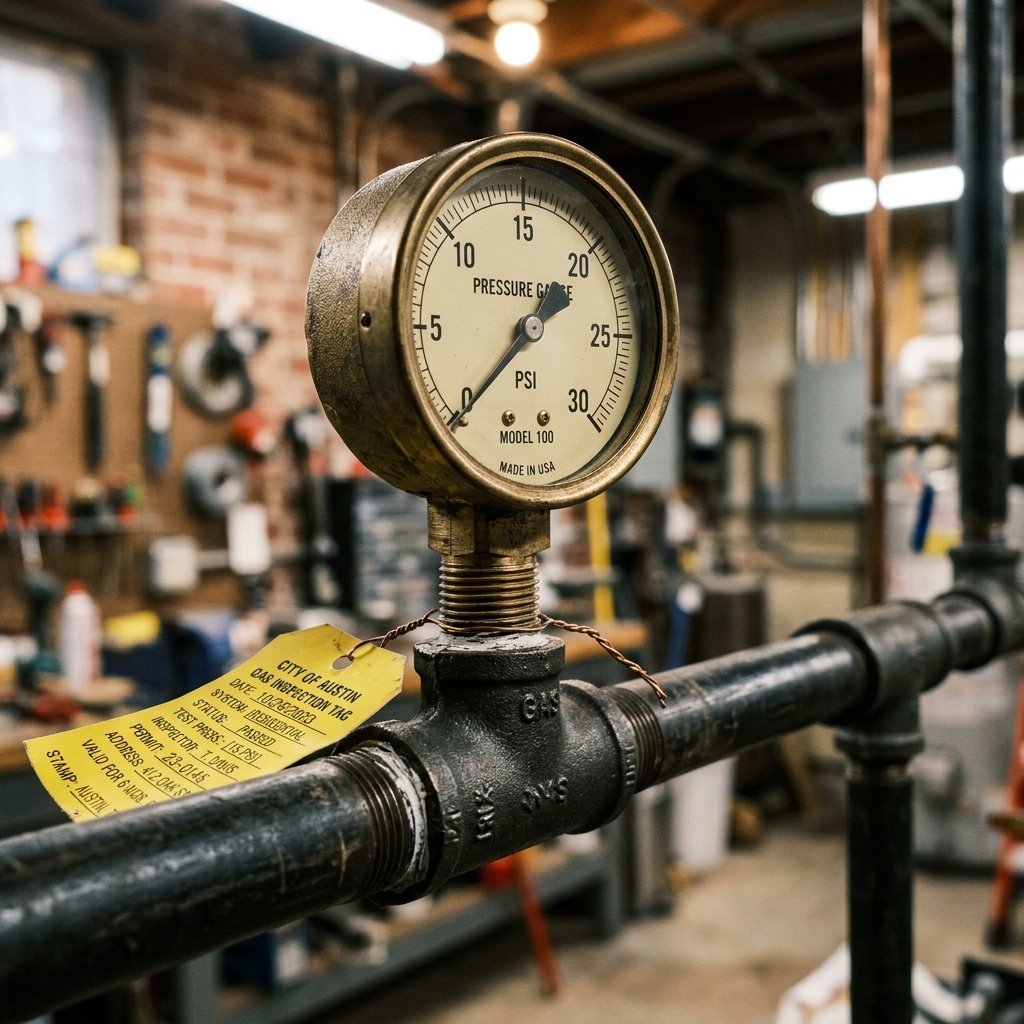
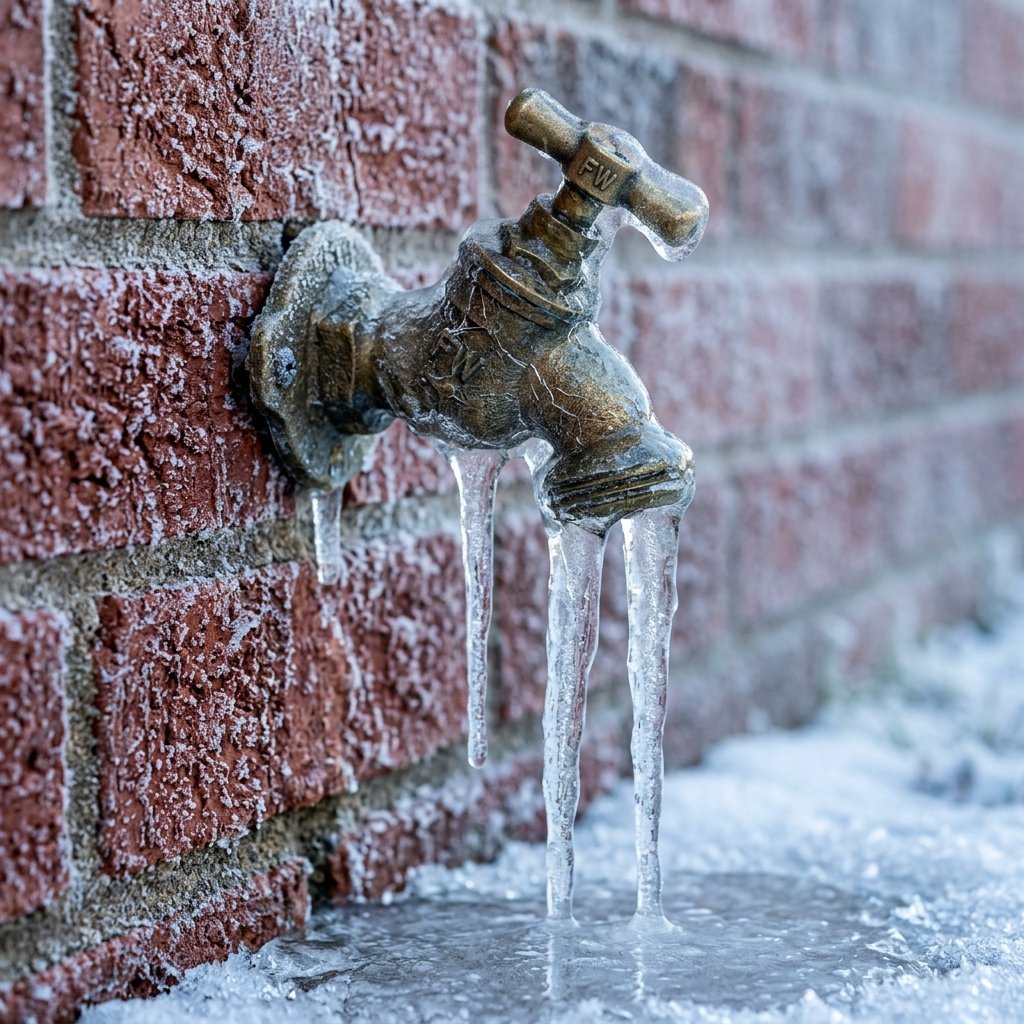
Equipment Standards & Failure Forensics in San Diego
High-resolution diagnostic photography and technical field diagnostics documented across Southwestern residential service calls, illustrating equipment tolerances and local failure modes.
Estimate Repair Costs in San Diego
PlumbRoute is a referral service, not a plumbing contractor.
What affects the cost in San Diego
Leak detection and repair costs in San Diego depend on the leak's location and severity. Non-invasive detection — acoustic or thermal-imaging equipment used to pinpoint a hidden leak without cutting into walls or slabs — typically runs $350–$650. A direct spot repair, opening a small, targeted section to fix the leak, generally costs $1,800–$3,500.
For leaks in extensively damaged or hard-to-access lines, rerouting new piping through walls or ceilings instead of repairing the original line commonly runs $2,500–$5,500. Your responding provider confirms exact pricing after locating and assessing the leak.
Service area
PlumbRoute is arranging provider coverage across the greater San Diego area, including Pacific Beach, Ocean Beach, La Jolla, North Park, Hillcrest, Point Loma, and Clairemont, with coverage extending to surrounding communities as well. Specific neighborhood or ZIP-level availability is confirmed when you request a connection, since it depends on the responding provider's current capacity.
Frequently asked questions
Need leak detection & repair in San Diego?
Request a connection with an independent local provider.
PlumbRoute is a referral service, not a plumbing contractor.
Request an Estimate
Tell us about your project so a local provider can follow up with pricing.