
Sump Pump Installation: What to Expect
Why Homes Get a Sump Pump Installed
Sump pumps are typically installed in homes with basements or crawl spaces prone to groundwater intrusion, especially after a wet basement incident or as a preventive step in an area with a high water table. Some homes have a sump pit already in place from construction, while others need one added.
The General Installation Process
If a sump pit does not already exist, installation typically involves breaking through a section of the basement floor to create one, positioning the pump, and connecting a discharge line that routes water away from the foundation. If a pit already exists and this is a replacement, the process is usually much faster since that groundwork is already done.
Battery Backup Is Worth Discussing
A standard sump pump relies on electricity, which means it stops working during a power outage, often the exact moment it is needed most during a storm. Battery backup systems are a common add-on worth asking your provider about, especially if the home has lost power during heavy rain before.
After Installation
Once installed, a sump pump generally needs only occasional testing (pouring water into the pit to confirm it activates and drains properly) and periodic checks for debris in the pit. Ask your responding provider what maintenance schedule they recommend for your specific setup.
Sub-Freezing Hose Bib & Valve Fracture Diagnostic
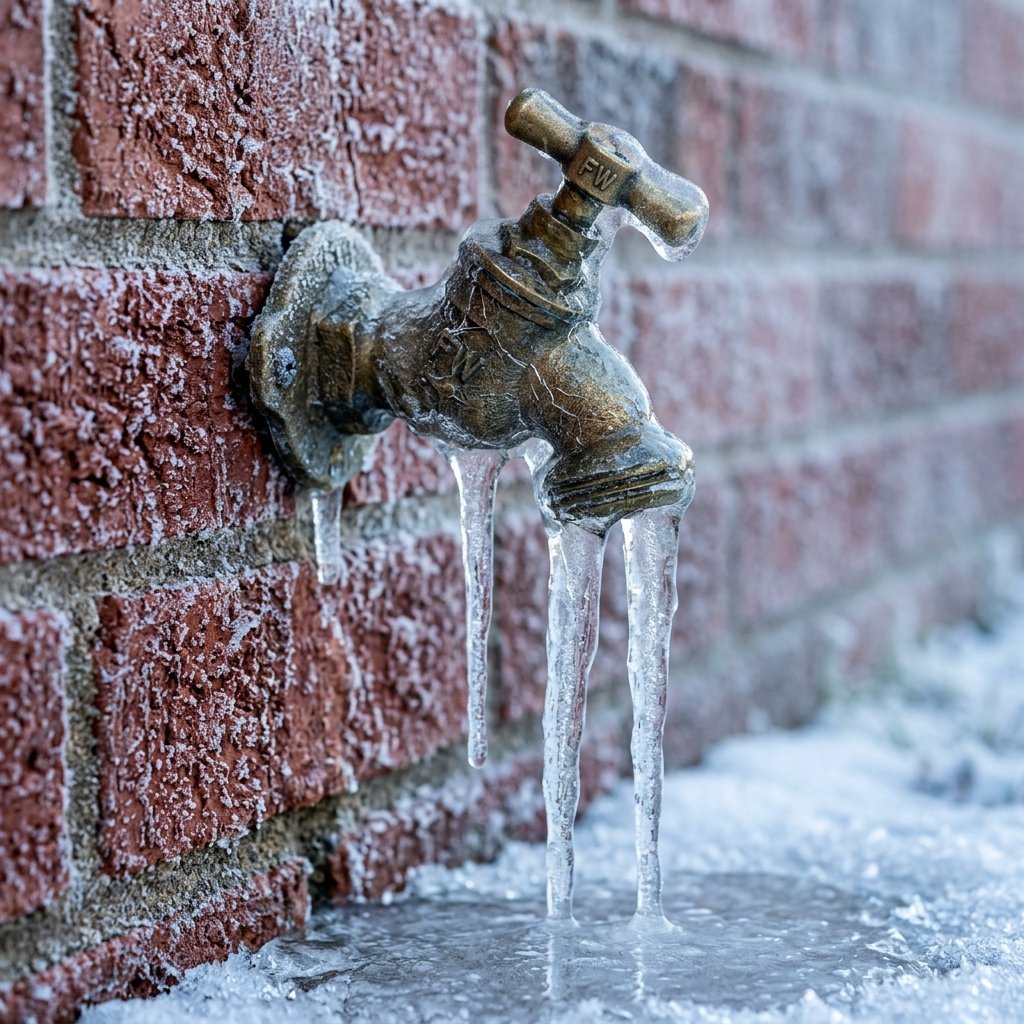
Macro failure analysis displaying crystalline ice expansion fracture through 3/4" heavy-duty brass ball valve body following sustained 18°F arctic front exposure.
Still dealing with this issue? You can request a connection with an independent local plumbing provider — there is no fee to submit a request.
Request a ConnectionFrequently asked questions
Looking for sump pump in your area?
PlumbRoute is a referral service -- request a connection with an independent local plumber serving one of these areas:
24/7 Verified Dispatch · Phoenix AreaSump Pump Service & Replacement in Scottsdale, AZ
24/7 Verified Dispatch · Scottsdale AreaSump Pump Service & Replacement in Dallas, TX
24/7 Verified Dispatch · Dallas AreaSump Pump Service & Replacement in Fort Worth, TX
24/7 Verified Dispatch · Fort Worth AreaSump Pump Service & Replacement in Plano, TX
24/7 Verified Dispatch · Plano AreaSump Pump Service & Replacement in Frisco, TX
24/7 Verified Dispatch · Frisco AreaSump Pump Service & Replacement in Houston, TX
24/7 Verified Dispatch · Houston AreaSump Pump Service & Replacement in Austin, TX
24/7 Verified Dispatch · Austin AreaSump Pump Service & Replacement in San Antonio, TX
24/7 Verified Dispatch · San Antonio AreaSump Pump Service & Replacement in San Diego, CA
24/7 Verified Dispatch · San Diego Area
Need help with this?
Request a connection with an independent local plumbing provider.
PlumbRoute is a referral service, not a plumbing contractor.
Request an Estimate
Tell us about your project so a local provider can follow up with pricing.