
How Long Does a Sump Pump Last? (Warning Signs It’s Failing)
Typical Lifespan
Many sources cite roughly 7-10 years for a sump pump with normal use, though actual lifespan varies with the pump type, how often the pump cycles, the quality of the unit, and how well it has been maintained. A pump nearing or past that range is worth testing more carefully, even if it seems to be working.
Cycling On and Off Too Frequently
A pump that turns on and off much more often than usual, even during normal (non-heavy-rain) conditions, may be struggling to keep up or nearing the end of its usable life. This pattern is worth noting rather than dismissing as normal behavior.
Unusual Noise or Vibration
Grinding, rattling, or loud vibration during operation can indicate a worn motor or impeller. A sump pump that has always run quietly and suddenly sounds different is worth having checked before it fails completely.
Visible Rust or Wear
Rust on the pump housing or fittings, or a pump that looks visibly aged compared to when it was installed, is a reasonable prompt to test it more thoroughly rather than assume it will keep working.
How to Test It Yourself
Pour a few gallons of water into the sump pit until the float rises enough to trigger the pump. It should turn on, remove the water, and shut off cleanly. If it hesitates, runs unusually long, or does not activate at all, that is a clear sign it needs attention before the next time you actually need it.
Sub-Freezing Hose Bib & Valve Fracture Diagnostic
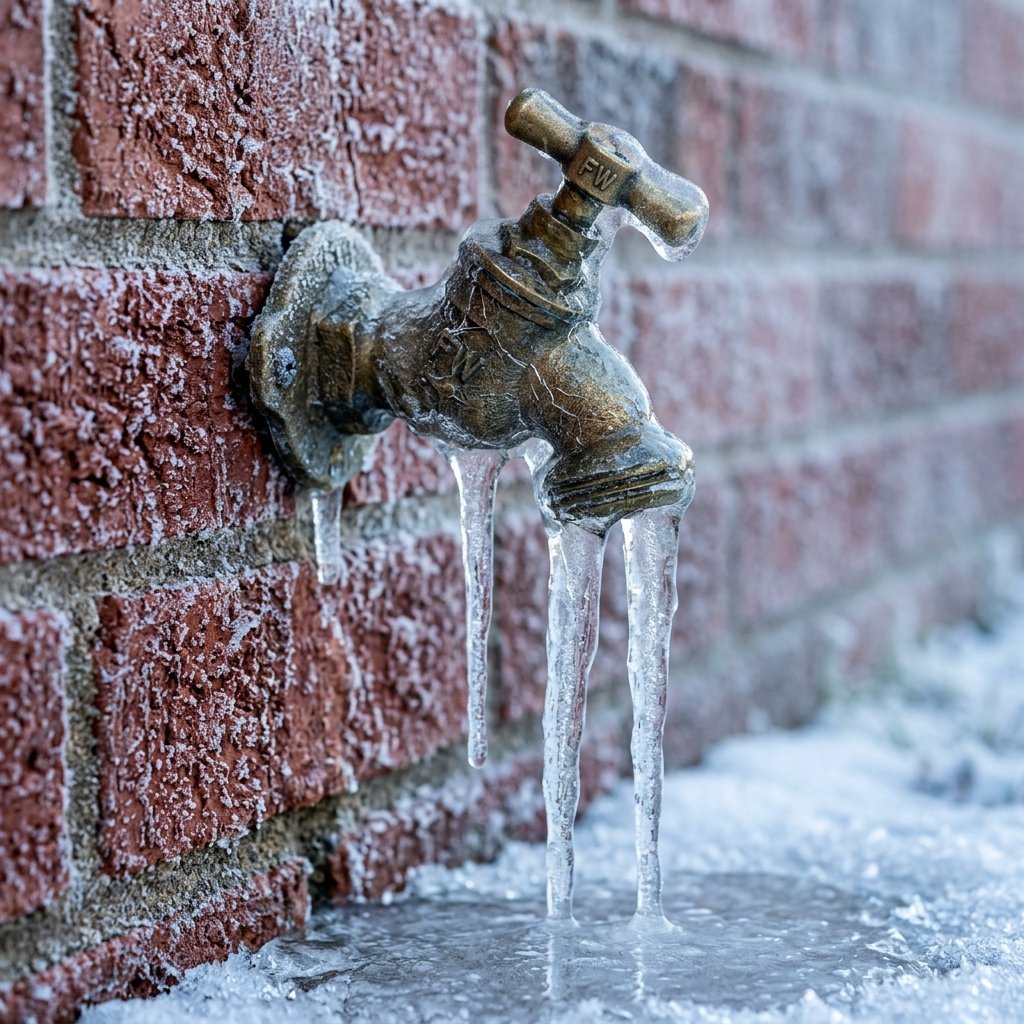
Macro failure analysis displaying crystalline ice expansion fracture through 3/4" heavy-duty brass ball valve body following sustained 18°F arctic front exposure.
Still dealing with this issue? You can request a connection with an independent local plumbing provider — there is no fee to submit a request.
Request a ConnectionFrequently asked questions
Looking for sump pump in your area?
PlumbRoute is a referral service -- request a connection with an independent local plumber serving one of these areas:
24/7 Verified Dispatch · Phoenix AreaSump Pump Service & Replacement in Scottsdale, AZ
24/7 Verified Dispatch · Scottsdale AreaSump Pump Service & Replacement in Dallas, TX
24/7 Verified Dispatch · Dallas AreaSump Pump Service & Replacement in Fort Worth, TX
24/7 Verified Dispatch · Fort Worth AreaSump Pump Service & Replacement in Plano, TX
24/7 Verified Dispatch · Plano AreaSump Pump Service & Replacement in Frisco, TX
24/7 Verified Dispatch · Frisco AreaSump Pump Service & Replacement in Houston, TX
24/7 Verified Dispatch · Houston AreaSump Pump Service & Replacement in Austin, TX
24/7 Verified Dispatch · Austin AreaSump Pump Service & Replacement in San Antonio, TX
24/7 Verified Dispatch · San Antonio AreaSump Pump Service & Replacement in San Diego, CA
24/7 Verified Dispatch · San Diego Area
Need help with this?
Request a connection with an independent local plumbing provider.
PlumbRoute is a referral service, not a plumbing contractor.
Request an Estimate
Tell us about your project so a local provider can follow up with pricing.